
Essential Home Inspector Questions: Top Questions to Ask Your Home Inspector in NY&NJ Home Inspections
- Paul DeMorato
- Mar 29
- 4 min read

Buying a home or investing in commercial property is a major decision. You want to be sure that the property you’re considering is safe, sound, and worth the investment. That’s where a professional home inspection comes in. As a licensed inspector serving New York and New Jersey, I understand how important it is to get clear, thorough information about every corner of your potential property. To help you feel confident in your purchase, I’ve compiled a list of essential home inspector questions you should ask during your inspection.
Why Asking Essential Home Inspector Questions Matters in NY&NJ Home Inspector Home Inspections
When you hire a home inspector for NY & NJ home inspections, you’re not just paying for a checklist. You’re investing in knowledge that can save you thousands of dollars and prevent future headaches. Asking the right questions helps you understand the condition of the property and any hidden issues that might not be obvious at first glance.
For example, you might want to know about the age and condition of the roof, the state of the electrical system, or if there are signs of water damage. These details can influence your decision to buy, negotiate the price, or request repairs.
By asking essential home inspector questions, you empower yourself with the information needed to make a smart investment. Don’t hesitate to ask for explanations or clarifications during the inspection. A good inspector will be happy to walk you through their findings.

Essential Home Inspector Questions to Ask During Your Inspection
Here are some of the most important questions to ask your home inspector to get a comprehensive understanding of the property:
What are the major issues with the property?
Ask your inspector to highlight any significant problems that could affect safety or require costly repairs.
How old is the roof, and what is its condition?
Roof repairs or replacements can be expensive. Knowing the roof’s age and condition helps you plan for future expenses.
Are there any signs of water damage or leaks?
Water damage can lead to mold and structural problems. Inspectors look for stains, dampness, and other indicators.
Is the electrical system up to code and safe?
Faulty wiring is a fire hazard. Your inspector should check outlets, breakers, and wiring condition.
What is the condition of the HVAC system?
Heating and cooling systems are essential for comfort and efficiency. Ask about their age and maintenance needs.
Are there any pest or termite issues?
Termites can cause serious damage. Specialized termite inspections are often recommended.
Is the foundation stable?
Foundation problems can be costly to fix. Look for cracks, settling, or moisture issues.
Are there any safety hazards?
This includes things like loose railings, uneven steps, or missing smoke detectors.
What maintenance will be required soon?
Knowing upcoming maintenance needs helps you budget and plan.
10. Can you explain the inspection report in detail?
Don’t just accept the report—ask your inspector to walk you through it and clarify any confusing points.
These questions cover the basics, but depending on the property, you might have additional concerns. Feel free to ask anything that will help you feel confident in your purchase.
What is the Most Common Home Inspection Fail?
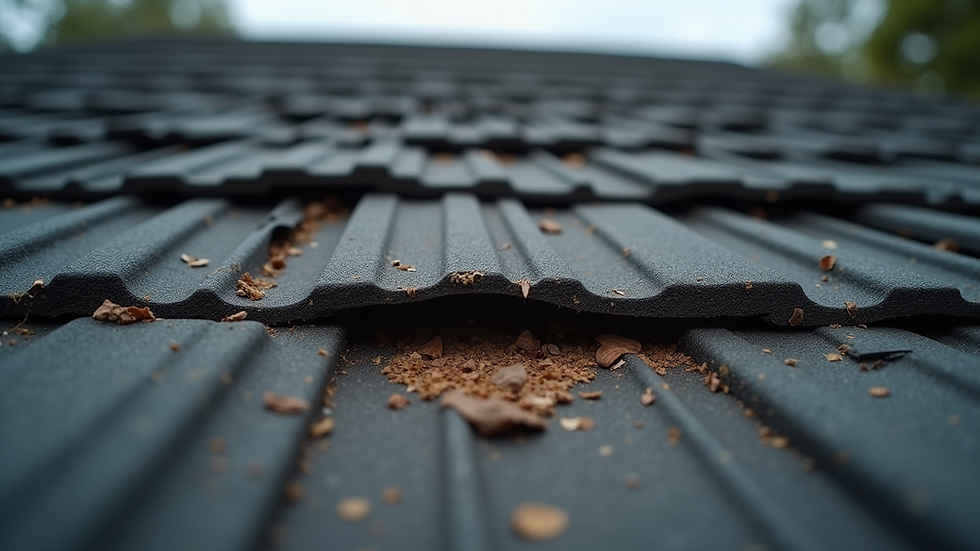
One of the most frequent issues found during home inspections is related to the roof and water intrusion. Roof leaks, damaged shingles, and poor drainage can lead to water damage inside the home. This often results in mold growth, wood rot, and structural damage if left unaddressed.
Another common fail is electrical system problems. Outdated wiring, overloaded circuits, and improper installations pose serious safety risks. These issues are especially common in older homes and can be costly to fix.
HVAC systems also frequently show signs of wear or neglect. A malfunctioning heating or cooling system can affect comfort and energy bills.
Understanding these common fails helps you focus your attention during the inspection and ask targeted questions. Your inspector’s expertise will guide you through identifying these problems and assessing their severity.
How Specialized Inspections Enhance Your Understanding
In addition to a general home inspection, specialized inspections can provide deeper insights. For example:
Termite Inspection: Termites can silently damage wood structures. A licensed termite inspector uses specialized tools to detect infestations early.
Drone Inspection: For hard-to-reach areas like tall roofs or chimneys, drone inspections offer a safe and detailed view. This technology helps identify issues that might be missed during a ground inspection.
Commercial Property Inspection: Commercial buildings have different standards and systems than residential homes. A licensed inspector familiar with commercial properties can evaluate structural integrity, fire safety, and compliance with local codes.
By combining these specialized inspections with a thorough general inspection, you get a complete picture of the property’s condition.
How to Use Your Home Inspection Report to Your Advantage
After the inspection, you’ll receive a detailed report outlining the findings. Here’s how to make the most of it:
Review the report carefully. Look for major issues and safety concerns first.
Discuss the report with your inspector. Ask for explanations and recommendations.
Prioritize repairs. Some issues require immediate attention, while others can wait.
Use the report in negotiations. If significant problems are found, you can request repairs or a price reduction.
Plan for future maintenance. The report can help you budget for upcoming repairs and upkeep.
Remember, the goal is not to find a perfect home but to understand what you’re buying. Armed with this knowledge, you can make informed decisions and avoid surprises down the road.
Empower Yourself with Knowledge Before You Buy
Buying a property is a big step. With the right home inspection and by asking the right questions, you can protect your investment and buy with confidence. If you want to learn more about the questions to ask your home inspector, don’t hesitate to reach out to a licensed professional who knows the New York and New Jersey markets.
At P&D Home Inspections LLC, we inspect, we detect, and you buy with confidence. Our licensed expertise, including termite and drone inspections, ensures you get a clear, comprehensive understanding of your potential property. Let us help you make your next property purchase a smart and secure one.

By asking these essential home inspector questions and working with a trusted professional, you can navigate the buying process with peace of mind. Your investment deserves nothing less.


Comments